

Files
Download Full Text (62.1 MB)
Download download (79.5 MB)
Download download (66.7 MB)
Download download (15.0 MB)
Download download (77.0 MB)
Download download (101.3 MB)
Download download (124.5 MB)
Download download (70.6 MB)
Download download (51.7 MB)
Download download (117.8 MB)
Download download (10.8 MB)
Download download (2.1 MB)
Download download (105.0 MB)
Download download (70.0 MB)
Download download (31 KB)
Download download (4.9 MB)
Download download (5.2 MB)
Download download (3.7 MB)
Download download (4.9 MB)
Download download (4.5 MB)
Download download (4.6 MB)
Download download (4.6 MB)
Download download (4.5 MB)
Download download (4.8 MB)
Download download (5.0 MB)
Download download (4.4 MB)
Download download (1.2 MB)
Download download (179.5 MB)
Date of Award
2015
Document Type
Thesis
Handle
https://hdl.handle.net/10365/24944
Publisher
North Dakota State University
Rights
NDSU Policy 190.6.2
URI
https://www.ndsu.edu/fileadmin/policy/190.pdf
Abstract
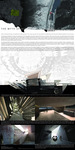
As Hans-Georg Gadamer explains, because modern society is so focused on specialization, medicine and health have become disjointed from common knowledge. Similarly, sustainability is often unrealizable to the users of a building through their experience. This is due to the specialized application of sustainable technology in the form of complex systems. Such issues are important because architecture has always been meaningfully perceived through the lived-experience of the body. In fact, looking to history, one will find that the root of sustain is Sustinere – To Hold. Is it possible to examine sustainability as both an experiential phenomena and a specialist’s application of technology to a building? When Martin Heidegger defined dwelling, he defined it as a means of sustainable discourse as well as a relation of the body to the surrounding world. Located in Georgetown Colorado, the design integrates sustainable technology into the experience of architecture rather than being an applied formulaic system alone. The building, inspired by the wonder of a gem, acts as a bridge between sustainable practices and the body, the world and greater culture, the individual and the cosmos.
Recommended Citation
Qual, Matthew, "The Myth of sustainable culture : The National Museum of Gems, Metals & Minerals" (2015). Architecture Theses. 310.
https://digitalcommons.ndsu.edu/architecture-theses/310
download (68306 kB)
download (15343 kB)
download (78813 kB)
download (103683 kB)
download (127474 kB)
download (72329 kB)
download (52978 kB)
download (120620 kB)
download (11084 kB)
download (2134 kB)
download (107563 kB)
download (71631 kB)
download (31 kB)
download (5065 kB)
download (5350 kB)
download (3759 kB)
download (4969 kB)
download (4625 kB)
download (4703 kB)
download (4709 kB)
download (4601 kB)
download (4881 kB)
download (5099 kB)
download (4518 kB)
download (1183 kB)
download (183774 kB)