

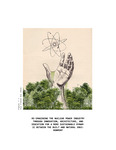
Date of Award
2023
Document Type
Thesis
Handle
https://hdl.handle.net/10365/33148
Publisher
North Dakota State University
Rights
NDSU policy 190.6.2
URI
https://www.ndsu.edu/fileadmin/policy/190.pdf
Abstract
The natural world is being destroyed and needs to be protected. To do that we need low polluting and efficient forms of energy production. The fossil fuel industry is one of the main sources of harmful pollutants that are damaging our environment and contributing to multiple health, social, and environmental crises. The need to transition to clean reliable energy has never been greater. Nuclear power is the only method that has comparable, if not less, carbon emissions rates than green energy and is able to be sited in a variety of geographies and climates. After decades of innovation the latest Gen IV nuclear reactors are safer and more efficient. One reactor that is in development by General Electric is a sodium-cooled fast reactor called PRISM. These fast reactors convert unusable isotopes into more fuel during the fission process. Fast reactors can reuse spent fuel from older Gen II and III reactors that are currently in operation. This reduces the radioactivity lifespan of the fuel from thousands of years to hundreds. This thesis proposes a contemporary plant design with fast reactor technology to recycle spent fuel while generating electricity and lowering the fuel’s radioactivity lifespan. Recycled fuel will then be stored in an underground repository until its radioactive lifespan has ended. This facility will clean up current high level spent fuel waste sites, reduce utilization of polluting fossil fuels, and educate the public through the incorporation of a visitor center where people can learn about the process and safety features in hopes that through education and architecture the public can accept and support the widespread adoption.
Recommended Citation
Hoberg, Luke, "Re-Imagining the Nuclear Power Industry Through Innovation, Architecture, and Education for a More Sustainable Dynamic Between the Built and Natural Environment" (2023). Architecture Theses. 772.
https://digitalcommons.ndsu.edu/architecture-theses/772